
Selecting the right first aid kit can improve safety, increase preparedness, and support quick responses during emergencies. Different kits are designed for different situations, making it important to compare their features before making a decision. Two commonly preferred options include compact everyday first aid kits and advanced trauma-focused kits. Both offer valuable benefits, but each serves unique purposes depending on the environment and level of care required.
Compact Everyday First Aid Kits
Compact kits are designed for daily convenience and basic injury management. They are lightweight, portable, and suitable for households, vehicles, outdoor activities, and workplaces.
Common Features
- Adhesive bandages in multiple sizes
- Antiseptic wipes and cleansing pads
- Medical tape and gauze rolls
- Small scissors and tweezers
- Disposable gloves
- Burn cream and pain relief supplies
Advantages of Compact Kits
These kits are highly practical for handling minor injuries and common incidents. Their smaller size allows easy storage in backpacks, drawers, and travel bags.
Key Benefits
- Easy to carry during travel or outdoor activities
- Quick access to basic medical items
- Organized compartments for convenience
- Suitable for cuts, scrapes, burns, and minor sprains
- Helpful for families and general day-to-day use
Compact kits focus on simplicity while still offering dependable support during unexpected situations.
Advanced Trauma-Focused Kits
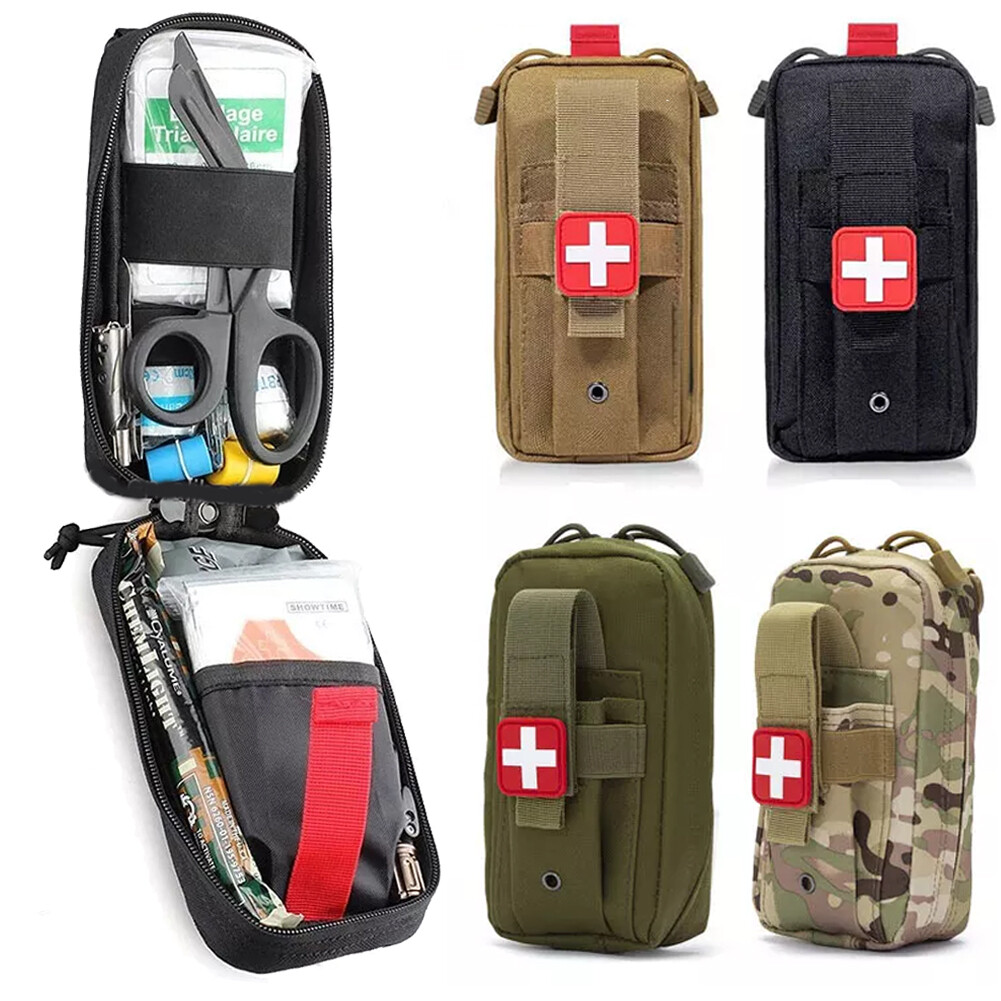
Trauma-focused kits are built for more serious emergencies that require rapid and specialized care. They contain advanced medical tools afak vs ifak designed to manage severe injuries until professional assistance becomes available.
Common Features
- Pressure bandages
- Emergency tourniquets
- Chest seals
- Haemostatic dressings
- Trauma shears
- Airway support tools
Advantages of Trauma-Focused Kits
These kits provide higher levels of preparedness for critical situations. They are especially useful for demanding environments where injuries may be more severe.
Key Benefits
- Designed for rapid emergency response
- Supports treatment of heavy bleeding
- Durable construction for challenging conditions
- Organized layout for faster access
- Useful for outdoor expeditions and high-risk activities
Trauma-focused kits emphasize readiness, efficiency, and advanced protection when immediate action is necessary.
Main Differences between the Two Kits
Although both kits support emergency care, their design and intended use vary significantly.
Size and Portability
- Compact kits are smaller and easier to transport
- Trauma-focused kits are larger due to advanced supplies
Type of Injuries Covered
- Compact kits handle minor injuries and basic care
- Trauma kits address severe wounds and urgent emergencies
Skill Level Required
- Everyday kits are simple for general users
- Advanced kits may require additional training for proper use
Storage Capacity
- Compact kits fit easily into small spaces
- Trauma kits include larger compartments for specialized tools
Choosing the Right Kit
The ideal kit depends on individual needs, activities, and expected environments. A compact first aid kit works well for routine preparedness and everyday incidents. An advanced trauma-focused kit offers additional confidence for more demanding situations that require specialized emergency care.
Helpful Selection Tips
- Consider the number of users
- Review the type of activities involved
- Check organization and accessibility
- Choose durable and water-resistant materials
- Ensure supplies are easy to replace
Both types of first aid kits provide valuable protection and preparedness. Understanding their strengths helps users choose a solution that supports safety, confidence, and effective emergency response in a wide range of situations.